
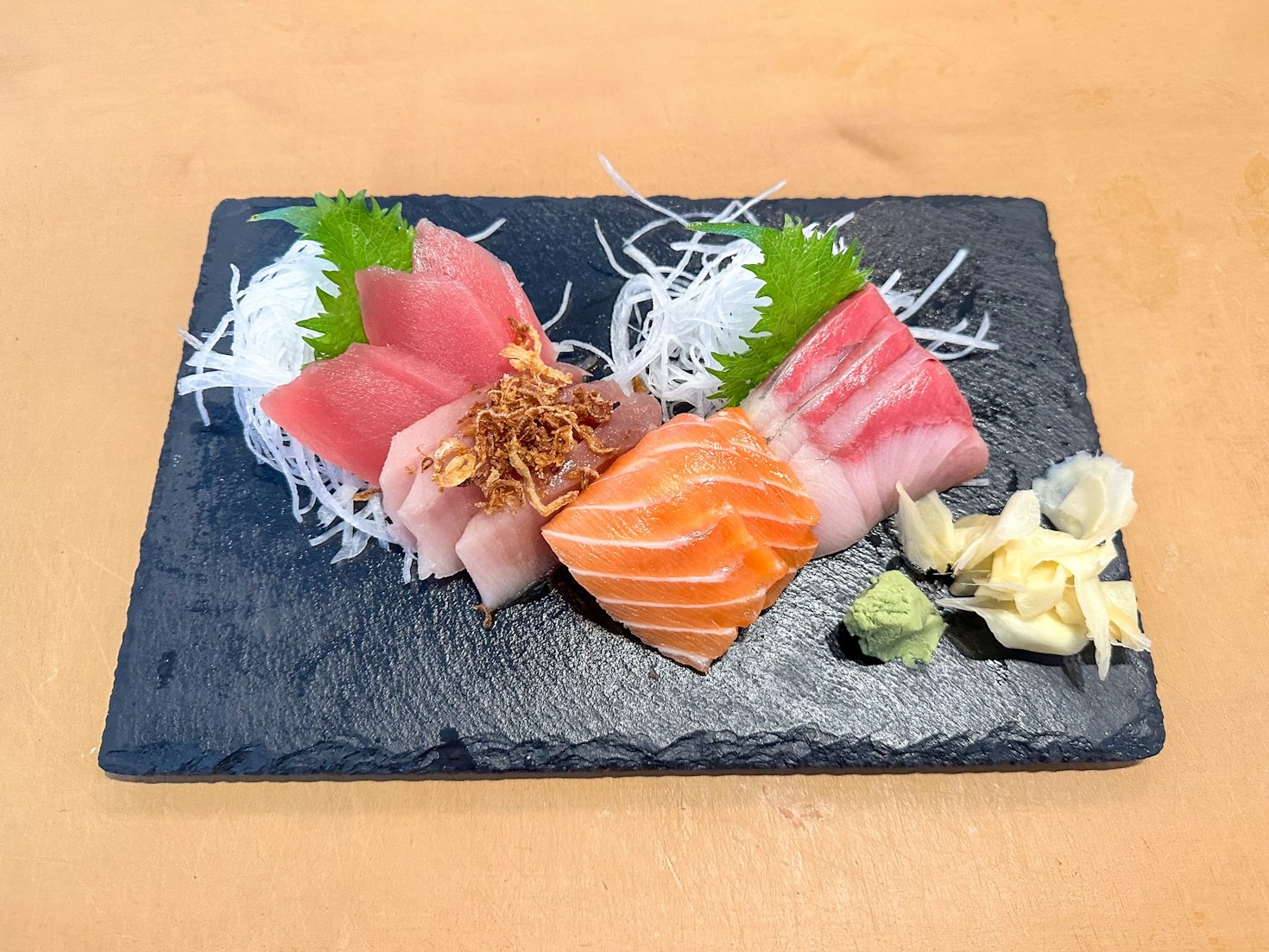
When people think of Japanese food, the first dish that often comes to mind is Sushi. While sushi is one of the most famous Japanese dishes around the world, traditional Japanese cuisine is much more diverse and rich in flavors, techniques, and cultural meaning. Japanese gastronomy reflects centuries of history, regional traditions, and a strong respect for seasonal ingredients.
One important style of traditional Japanese cuisine is Washoku. Washoku emphasizes balance, fresh ingredients, and simple cooking methods that highlight the natural flavors of food. In fact, washoku has been recognized by UNESCO as an Intangible Cultural Heritage, showing its importance to Japanese culture.
A classic example of traditional Japanese dining is Kaiseki. Kaiseki is a refined multi-course meal that focuses on seasonal ingredients, elegant presentation, and harmony between taste, texture, and color. Each dish is carefully prepared and beautifully arranged, making the dining experience both artistic and meaningful..


Another popular traditional dish is Tempura, which features seafood or vegetables lightly battered and fried until crispy. The cooking method was influenced by foreign traders centuries ago, but it has become a beloved part of Japanese cuisine. Similarly, Tonkatsu is a comforting dish made of breaded and deep-fried pork cutlet, usually served with shredded cabbage and rice.
Traditional Japanese meals
Noodle dishes also play an important role in traditional Japanese meals. Dishes like Udon and Soba are enjoyed in both hot and cold forms depending on the season.
Overall, traditional Japanese cuisine offers far more than just sushi. It represents a culinary culture that values balance, seasonal ingredients, and careful preparation. Through its wide variety of dishes and cooking styles, Japanese food continues to share the country’s traditions and cultural identity with the world