
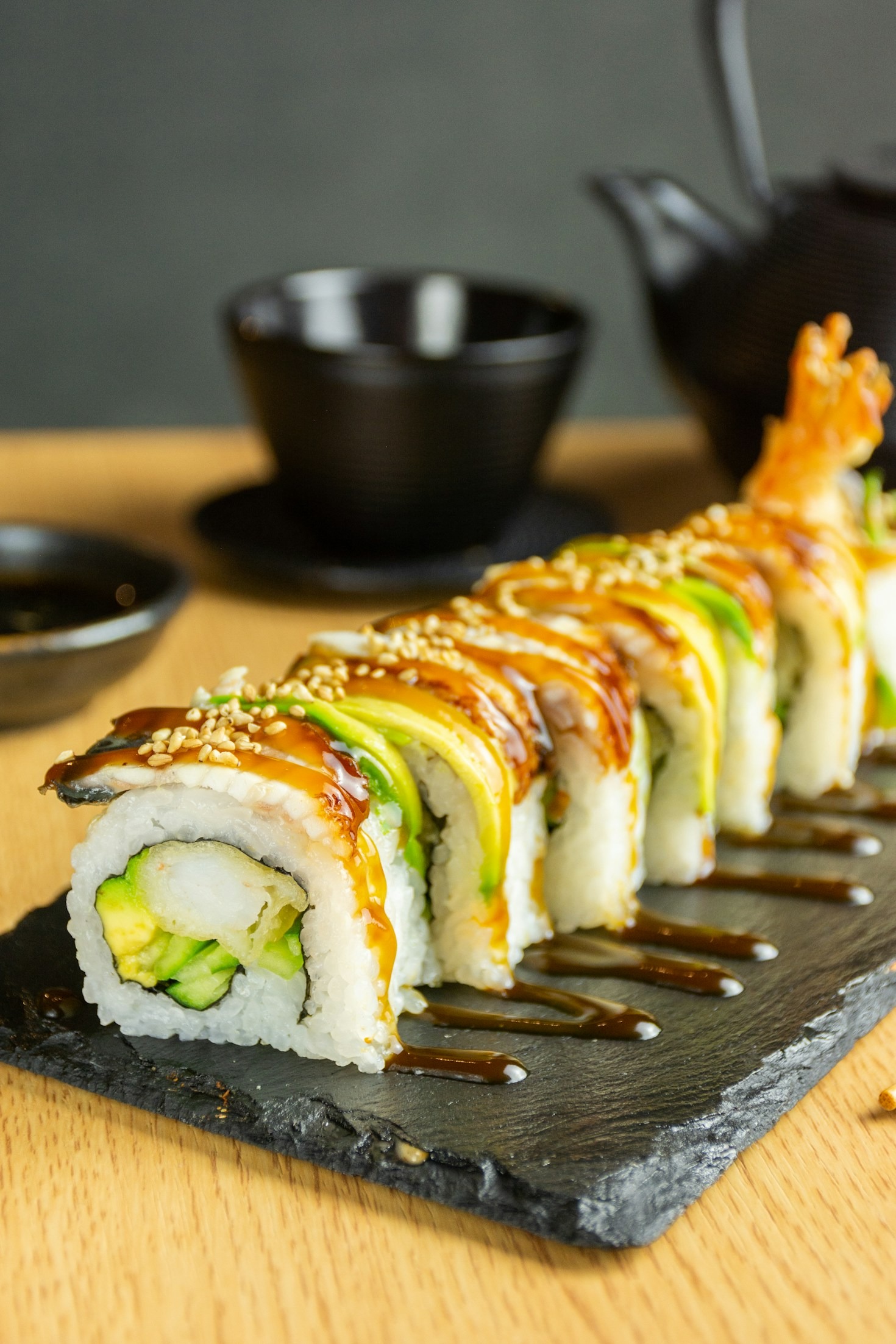
Japanese food culture is deeply connected to tradition, respect for nature, and careful preparation. For beginners exploring Japanese cuisine, it is helpful to understand that meals in Japan are not only about taste but also about balance, presentation, and seasonal ingredients. Every dish reflects a cultural philosophy that values simplicity, freshness, and harmony.
One important element of Japanese food culture is the structure of a traditional meal. A typical Japanese meal often includes rice, soup, and several small side dishes. Steamed rice, known as Gohan, is considered the foundation of many meals and is usually served alongside vegetables, fish, or meat. This balanced meal style ensures a variety of nutrients while maintaining simple and clean flavors.
Another key aspect is the appreciation of fresh and seasonal ingredients. Many Japanese dishes change depending on the time of year, allowing people to enjoy foods at their peak quality. Seasonal seafood, vegetables, and fruits are commonly used to highlight the natural flavors of ingredients without heavy seasoning.


Dining etiquette also plays an important role in Japanese food culture. For example, people often say “itadakimasu” before eating as a way of expressing gratitude for the food. Similarly, saying “gochisousama deshita” after finishing a meal shows appreciation to the person who prepared it. These traditions emphasize respect and mindfulness during meals.
Many beginners are introduced to Japanese cuisine through popular dishes such as Sushi or Ramen. While these foods are well known internationally, Japanese cuisine also includes a wide range of home-style dishes, grilled foods, soups, and rice-based meals enjoyed in everyday life.
Japanese food culture
Presentation is another defining feature of Japanese food culture. Meals are often arranged neatly with attention to color, shape, and portion size. This visual appeal enhances the dining experience and reflects the importance of aesthetics in Japanese traditions.
Overall, Japanese food culture offers more than just delicious meals. It represents a way of life that values balance, gratitude, and a strong connection to nature. For beginners, exploring Japanese cuisine can be a rewarding journey into both flavor and cultural heritage