
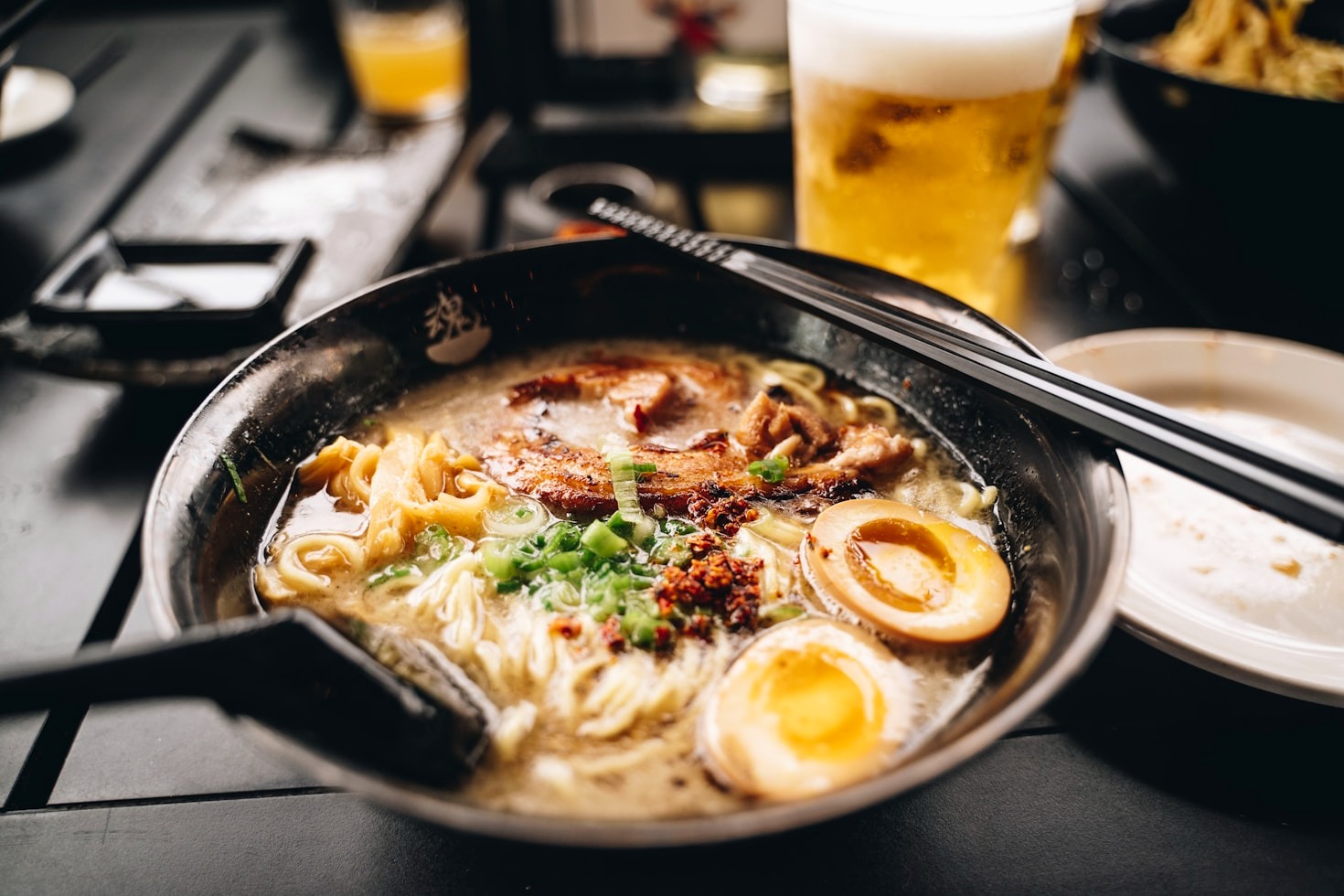
Japan’s culinary arts have developed over many centuries, shaped by geography, cultural values, and historical influences. The evolution of Japanese cuisine reflects the country’s respect for nature, seasonal ingredients, and careful preparation. Today, Japanese food is admired around the world, but its origins are deeply connected to traditional lifestyles and cultural exchange.
In early Japanese history, meals were simple and mainly based on rice, vegetables, and fish. Rice became a central part of daily life and remains a staple food in Japan today. Over time, cooking techniques evolved as people developed methods such as grilling, steaming, and fermenting to enhance the flavor and preservation of food.
Religion also influenced Japanese culinary traditions. The spread of Buddhism in Japan encouraged a diet that often avoided meat. This led to the development of plant-based dishes and creative cooking styles using tofu, vegetables, and seaweed. One example is Shojin ryori, a traditional vegetarian cuisine practiced by Buddhist monks that focuses on simplicity and balance.


Foreign influence also played a role in shaping Japanese cuisine. During the 16th century, Portuguese traders introduced cooking methods that later influenced dishes such as Tempura. Although the technique originally came from abroad, Japanese chefs refined it into the light and crispy style known today.
As Japan’s culture developed, more sophisticated dining traditions appeared. One notable example is Kaiseki, which originated from tea ceremony culture. Kaiseki meals emphasize seasonal ingredients, artistic presentation, and harmony between taste and appearance.
Japanese cuisine continued to evolve
During the modern era, Japanese cuisine continued to evolve while preserving traditional elements. Dishes such as Sushi became internationally recognized and helped introduce Japanese food culture to the global stage.
Overall, the history of Japan’s culinary arts shows a unique blend of tradition, cultural influence, and innovation. From simple rice-based meals to elegant multi-course dining, Japanese cuisine continues to reflect the country’s heritage and appreciation for quality ingredients and thoughtful preparation.